Minab 168 flight Iran carries the weight of US aggression into Islamabad talks
‘Minab 168’ flight: Iran carries the weight of US aggression into Islamabad talks
TEHRAN – As Iran’s delegation departed for negotiations with the United States in Pakistan, the journey itself became an act of remembrance — and a quiet indictment.
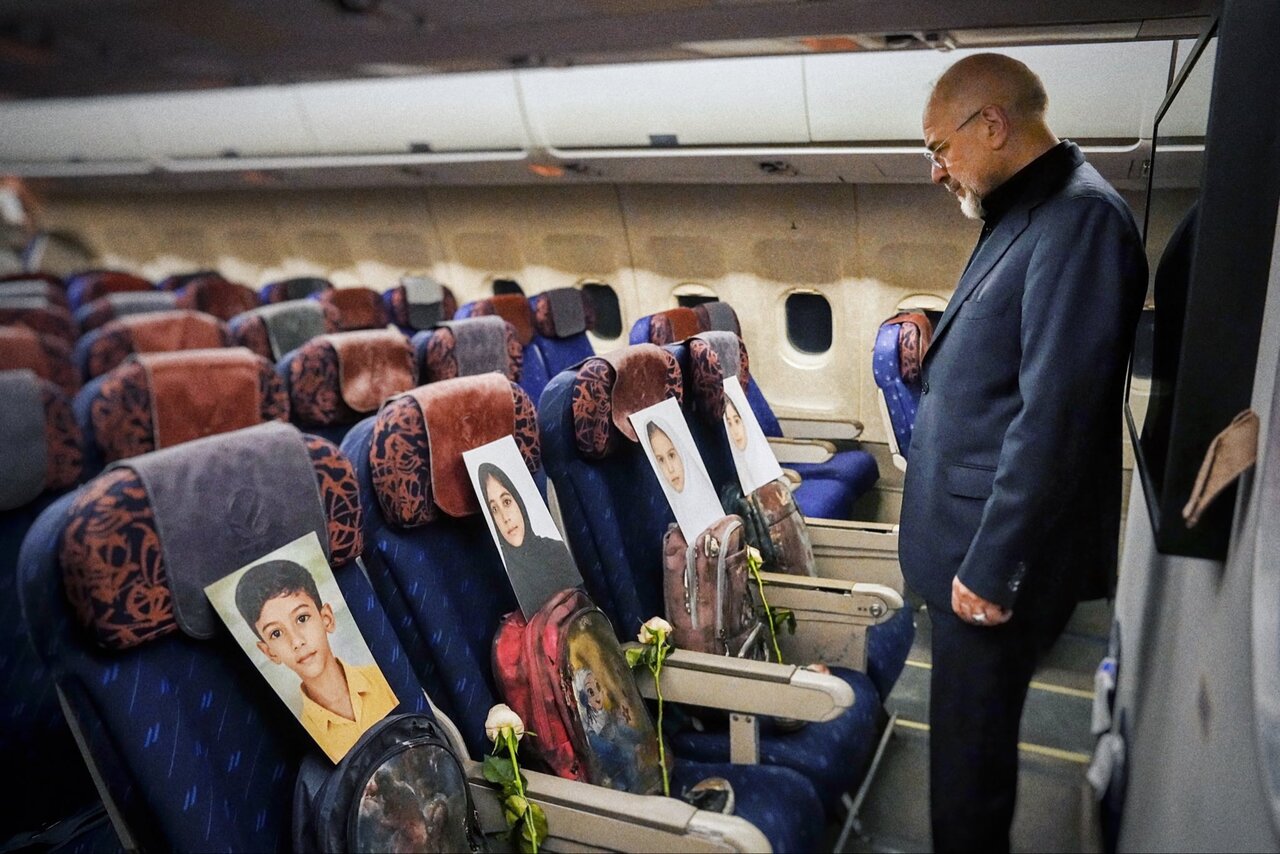
The aircraft transporting the Iranian officials was not merely a government plane. It was named “Minab-168,” a deliberate tribute to the 168 people — most of them young schoolgirls — who were killed when a US missile struck the Shajareh Tayyebeh elementary school in the southern city of Minab on February 28. It was hit in the first day of the joint US-Israeli war.
The name was not symbolic coincidence. It was a message written in grief.
Inside the plane, members of the delegation carried photographs of the victims, along with blood-stained school bags and personal belongings recovered from beneath the rubble of the destroyed classrooms. Parliament Speaker Mohammad-Bagher Ghalibaf, who heads the Iranian delegation, posted a haunting image from aboard the aircraft on X, writing simply: “My companions on this flight.”
Those companions were not political advisers or diplomats. They were the memories of children whose desks remain empty.
The Minab school strike stands as one of the most agonizing chapters of the conflict’s opening hours. Images of shattered walls, torn notebooks, and tiny shoes scattered in dust sent shockwaves across the country. For Iranians, February 28 is not just the date a war began — it is the day innocence was buried.
Iranian authorities have firmly held US forces responsible for the strike, describing it as a blatant act of aggression against civilians and a violation of international law. American officials have suggested the possibility of an “accidental” double-tap strike, with War Secretary Pete Hegseth confirming that an investigation is underway. Yet no findings have been released, no admission has been made, and no public accountability has followed.
For the families of Minab, the language of military error rings hollow.
By naming the aircraft “Minab-168,” Tehran signaled that it would not separate diplomacy from memory, nor negotiations from justice. While US Vice President JD Vance warned that Washington would not tolerate being “played” at the negotiating table, Iran’s delegation appears determined to remind the world who paid the highest price in the opening moments of the war.
The gesture was not theatrical. It was moral. In carrying bloodied school bags onto a plane bound for peace talks, Iran made clear that it does not approach negotiations in abstraction. It approaches them with the weight of 168 lives — children who will never return to their classrooms.
As discussions unfold in Pakistan following a fragile ceasefire, the shadow of Minab looms large. Whether the talks lead to genuine de-escalation may depend on whether the United States is prepared not only to negotiate terms, but to confront the human cost of its actions.
For Iran, the message is unmistakable: the children of Minab are not a footnote in this conflict. They are its conscience.
source: tehrantimes.com