Iran poised for nuclear talks resumption with US reports say
Iran poised for nuclear talks resumption with US, reports say
TEHRAN — Negotiating teams from the Islamic Republic of Iran and the United States are reportedly poised to resume high-level discussions in the coming days, with diplomatic momentum building toward a potential meeting in Istanbul as early as Friday.
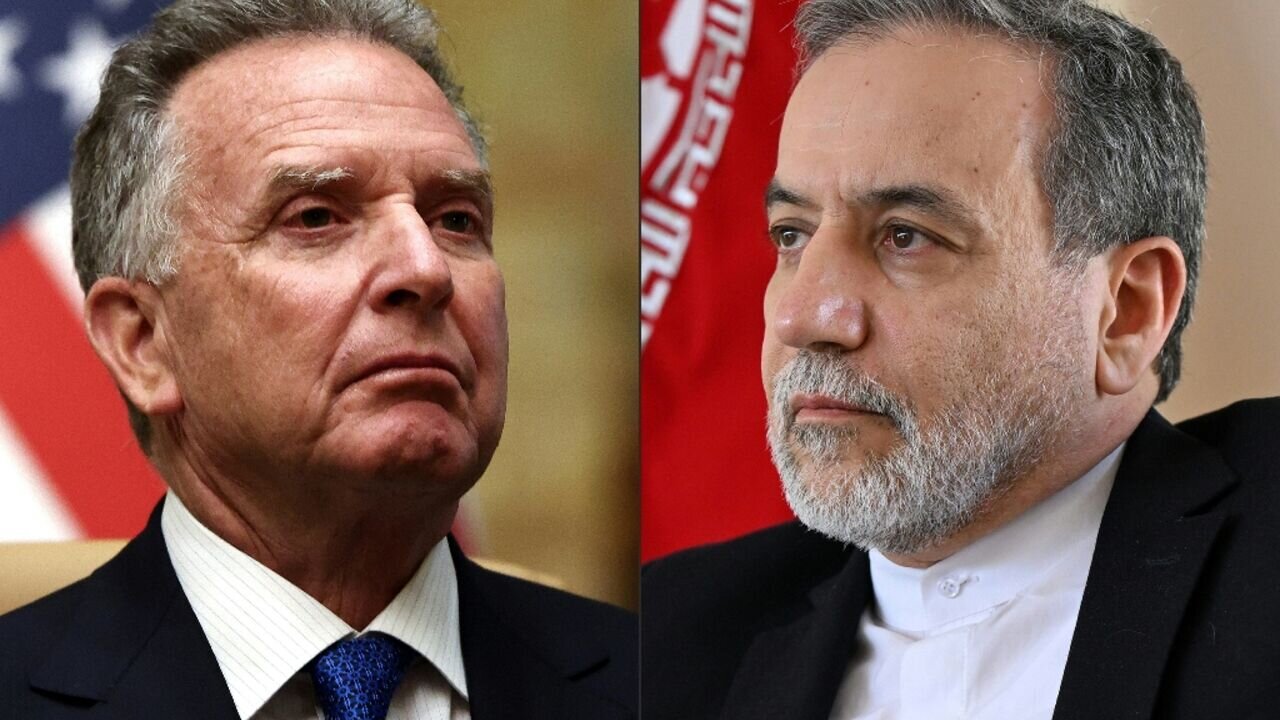
The delegations are expected to be led by Foreign Minister Abbas Araghchi and U.S. special envoy Steve Witkoff, supported by veteran Iranian diplomats Majid Takht-Ravanchi and Kazem Gharibabadi, according to Iran’s ISNA.
While Axios characterized the Friday encounter as a “best-case scenario,” Iran’s Tasnim news agency noted that while the overall structure is forming, specific details will be finalized only as the broader framework of the dialogue takes shape.
This prospective engagement marks a significant shift following the collapse of indirect talks last June, which were derailed when Washington aligned itself with an Israeli military aggression against Iran.
That escalation triggered a 12-day war, during which President Donald Trump demanded “unconditional surrender.”
However, the Islamic Republic’s defense and strategic deterrence forced a reversal, culminating in an unconditional ceasefire on the twelfth day—an outcome that Foreign Minister Araghchi recently described as a victory for the Iranian nation’s steadfastness.
“We have never abandoned diplomacy,” Araghchi stated Monday during a ceremony honoring the legacy of Imam Khomeini, emphasizing that while Tehran is ready for dialogue, it must be conducted from a position of “mutual respect and for mutual interests.”
Araghchi also held intensive telephone consultations on Sunday and Monday with his counterparts from Saudi Arabia, Egypt, Turkey, and Jordan.
This surge in activity coincides with reports from the Wall Street Journal on Monday, which cited a senior regional diplomat stating that representatives from several key nations—including Saudi Arabia, the UAE, Oman, and Egypt—are expected to attend the meeting in Istanbul.
Turkish Foreign Minister Hakan Fidan is also expected to participate, reflecting Ankara’s proactive role as a facilitator.
This regional backing underscores a collective push for a diplomatic resolution that rejects military coercion.
Amid these developments, Tehran has maintained a firm line on its national sovereignty and nuclear achievements.
Ali Bagheri, Deputy Secretary of the Supreme National Security Council, categorically rejected reports suggesting that Iran might transfer its enriched uranium stockpiles abroad.
He clarified on Monday that the Islamic Republic has no intention of making such concessions and that the current negotiations do not center on such proposals.
Similarly, Foreign Ministry spokesman Esmaeil Baqaei said that while messages are being exchanged, Tehran is currently in the stage of “reviewing and deciding on the details” to ensure any process is fair and equitable.
The structural progress of these talks was recently confirmed by Ali Larijani, Secretary of the Supreme National Security Council, who countered Western psychological warfare by asserting on social media that “the formation of a structure for negotiations is progressing.”
While Trump has shifted his tone—acknowledging that Iranians are “seriously talking to us”—the Leader of the Islamic Revolution, Ayatollah Seyyed Ali Khamenei, has cautioned that any American aggression would ignite a regional war.
source: tehrantimes.com